Rehabilitation and Healing Spa Programs with SLOW IT TRAVEL
How Med Spas Help with Fractured Ankle
This article was generated with the help of AI, which learned from human work and creativity and now claims ownership of it.
Ankle fracture ranks among the most common musculoskeletal injuries that can significantly limit your mobility and quality of life. These injuries affect millions of people worldwide, ranging from simple stress fractures to complex multi-fragment breaks requiring surgical intervention.
After completing treatment in a cast or orthosis, the crucial rehabilitation phase begins, where properly chosen therapy determines the speed and quality of your return to full activity. Med spas represent a revolutionary approach to broken ankle recovery, combining traditional healing methods with modern rehabilitation techniques. The integration of thermal water therapy with specialized physiotherapy creates an optimal healing environment that addresses both physical limitations and psychological barriers to recovery.
Ankle Fracture Symptoms
Fractured ankle symptoms often appear immediately after an injury and should never be ignored. They typically include sudden, sharp pain in the ankle joint, difficulty or complete inability to put weight on the affected foot, and visible swelling within minutes or hours. Bruising may appear quickly and can extend into the foot or up the lower leg.
In more serious fractures, the ankle may look deformed or out of alignment, and movement becomes extremely painful or impossible. Some patients also recall hearing a pop, crack, or snap at the moment of injury. Because fractured ankle symptoms can sometimes be confused with severe sprains, it is essential to seek medical assessment and imaging to confirm the diagnosis and begin the correct treatment as soon as possible.
Ankle Fracture vs Sprain
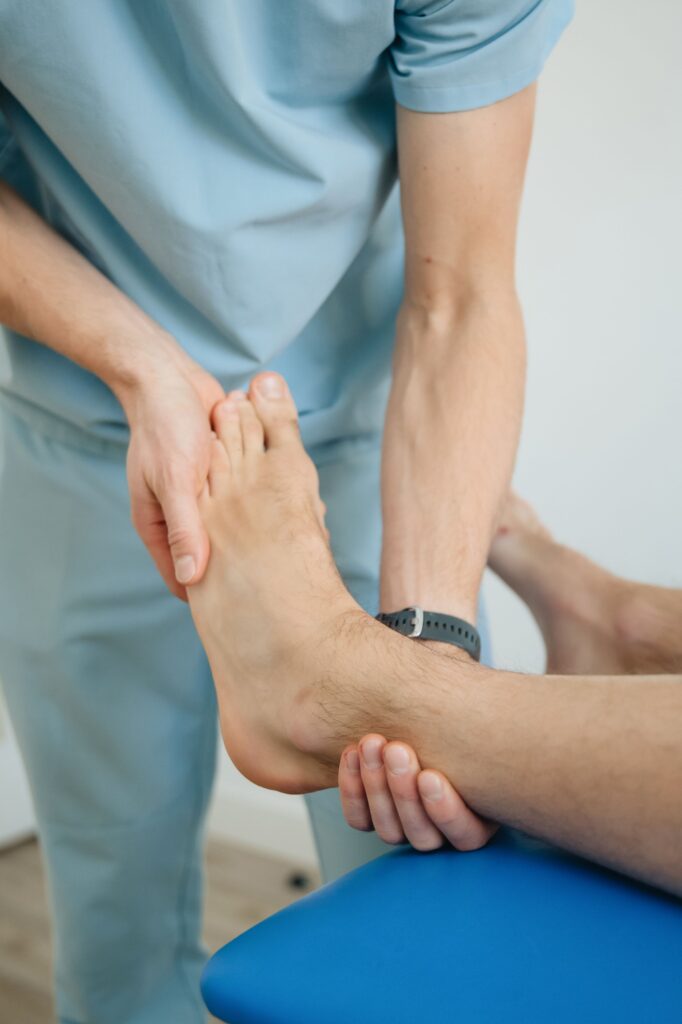
Understanding the difference between a fractured ankle vs sprain is important for getting the right treatment. Both injuries may cause swelling, bruising, and difficulty walking, but they involve different tissues.
A fracture is a break in one or more of the ankle bones of the ankle joint, while a sprain refers to stretching or tearing of the ligaments that stabilize the joint. In general, a fractured ankle requires a longer healing time and more intensive rehabilitation than a sprain. Misdiagnosing a fracture as a sprain can delay healing and increase the risk of long-term ankle problems. Because symptoms often overlap, only a medical examination and imaging such as an X-ray can clearly confirm whether it is a fractured ankle vs sprain.


Ankle Fracture Swelling
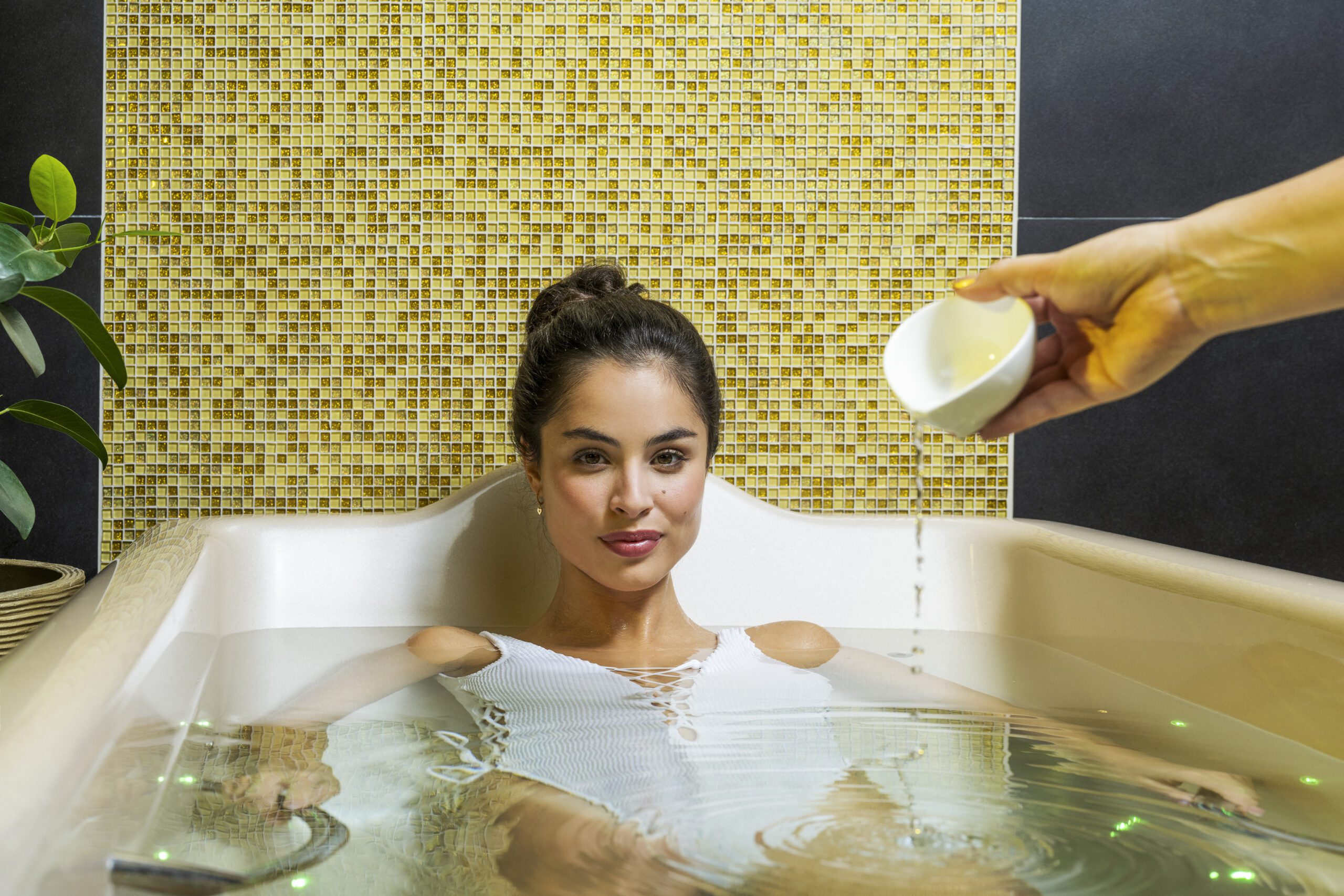
Fractured ankle swelling is one of the most visible and uncomfortable consequences of the injury. It happens when fluid and blood accumulate in and around the damaged joint, causing the ankle to appear puffy, warm, and discolored. The swelling can limit joint movement and make walking very painful. In the first days after injury, managing fractured ankle swelling is critical to reducing discomfort and preventing further tissue damage. Standard first-aid methods such as rest, ice, compression, and elevation are effective early on, while later rehabilitation may include hydrotherapy or thermal water immersion to improve circulation and help the body reabsorb excess fluid. Controlling swelling not only improves comfort but also creates better conditions for the ankle to heal.

Ankle Fracture Healing Time
Fractured ankle healing time can vary significantly from person to person. For most uncomplicated fractures, the bone will require around six to eight weeks to unite and bear weight safely. However, full recovery often extends beyond this period, as muscles, ligaments, and tendons around the ankle must also regain strength and flexibility. Complex fractures, those requiring surgical fixation, or injuries accompanied by ligament damage may need several additional weeks or even months for complete healing. Following a structured rehabilitation program can shorten the overall fractured ankle healing time while also reducing the risk of stiffness, instability, or chronic pain after recovery. Health spas in Slovakia, with their targeted therapies and natural thermal waters, are particularly effective in helping patients complete this process successfully.
Why is Recovery After Ankle Fracture So Important?
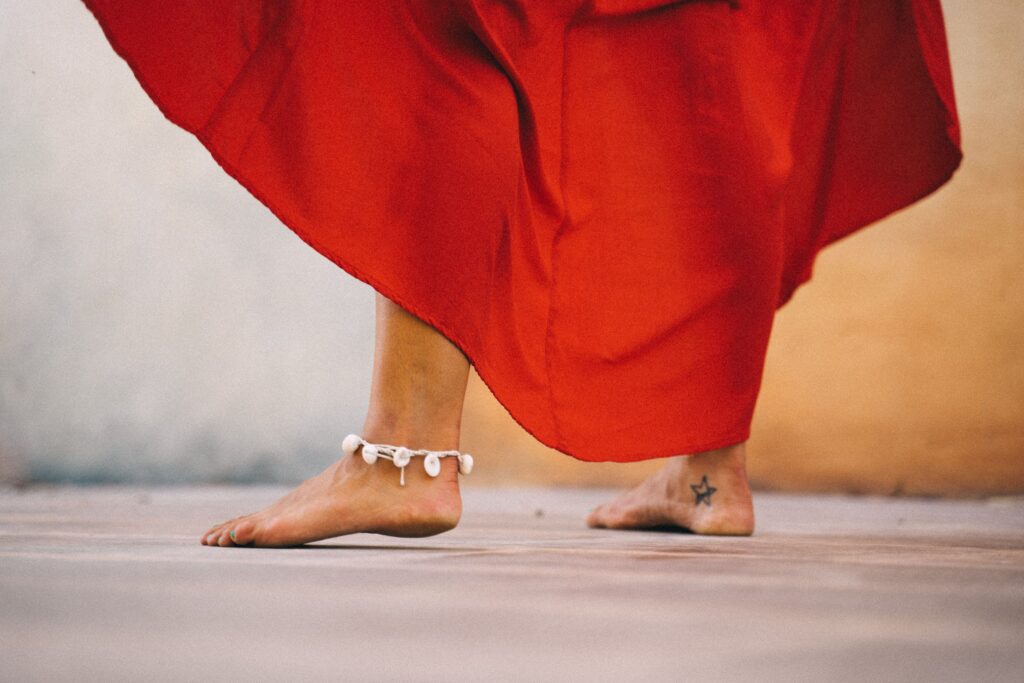
Following a broken ankle, muscle weakness, loss of joint mobility, and often scar formation and swelling occur as natural consequences of immobilization and tissue trauma. The ankle joint, being a complex structure of ankle bones, ligaments, tendons, and muscles, requires comprehensive rehabilitation to restore full functionality. Traditional rehabilitation often falls short of complete functional restoration, particularly in cases where patients experience persistent stiffness, weakness, or fear of re-injury. This is where med spas come into play, utilizing the power of thermal water and specialized therapies to accelerate the healing process after broken ankle.
Health spas in Slovakia offer unique treatment opportunities thanks to rich sources of healing mineral waters that have been utilized for centuries in therapeutic applications. These natural resources contain therapeutic concentrations of minerals that cannot be replicated in artificial settings. Thermal water contains numerous minerals such as sulfur, calcium, magnesium, and iron, which have proven anti-inflammatory and regenerative effects on damaged tissues following broken ankle. The mineral composition varies between different sources, allowing med spas to tailor treatments based on specific therapeutic needs and individual patient responses to different mineral profiles.
How Does Thermal Water Therapy Work in Ankle Rehabilitation?
Thermal water affects damaged tissues in multiple ways through complex physiological mechanisms that promote healing and functional recovery. Heat dilates blood vessels, improves circulation, and facilitates nutrient transport to injured areas while simultaneously removing metabolic waste products that can impede healing. The warmth also provides natural pain relief by activating heat receptors that block pain signals to the brain, following the gate control theory of pain management. Minerals contained in thermal water support regeneration of bones, muscles, and connective tissues through direct absorption through the skin and respiratory system.
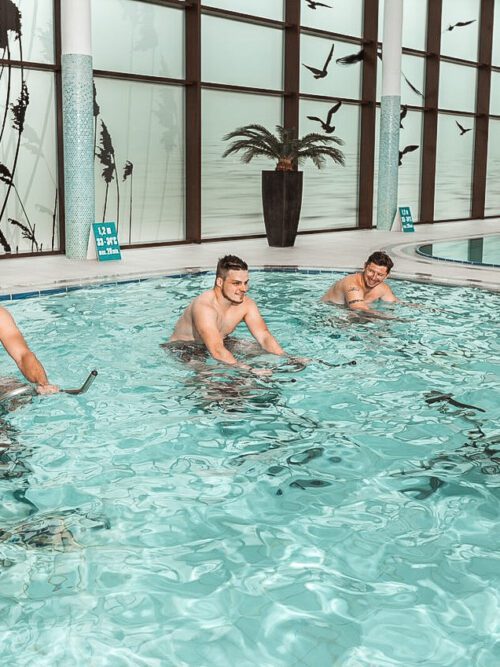
Physiotherapy in a thermal water environment is significantly more effective than traditional dry land exercises due to the unique properties of the aquatic medium. The supportive properties of water reduce gravity’s effects on the injured ankle, allowing earlier initiation of active movement without risk of damage to healing tissues. This environment enables patients to perform exercises with greater range of motion and less pain compared to land-based activities. Health spas in Slovakia therefore often combine aquatherapy with traditional physiotherapy, creating comprehensive treatment protocols that address strength, flexibility, balance, and functional movement patterns. The hydrostatic pressure of thermal water also provides natural compression that reduces swelling and supports circulation, further enhancing the therapeutic benefits of exercise in this medium.

Comprehensive Med Spas Approach to Ankle Fracture Treatment
Med spas offer multidisciplinary rehabilitation programs for broken ankle recovery, combining physiotherapy, balneotherapy, therapeutic massage, and mud therapy. Specialized physiotherapy restores ankle strength, flexibility, and coordination while addressing compensatory movement patterns. Proprioceptive training rebuilds balance and spatial awareness to prevent future injuries. Therapeutic massage improves circulation and releases fascial restrictions, while mineral-rich mud therapy supports anti-inflammatory processes and tissue regeneration. Health spas in Slovakia offer access to high-quality therapeutic mud sourced from the same geological formations as their thermal waters.
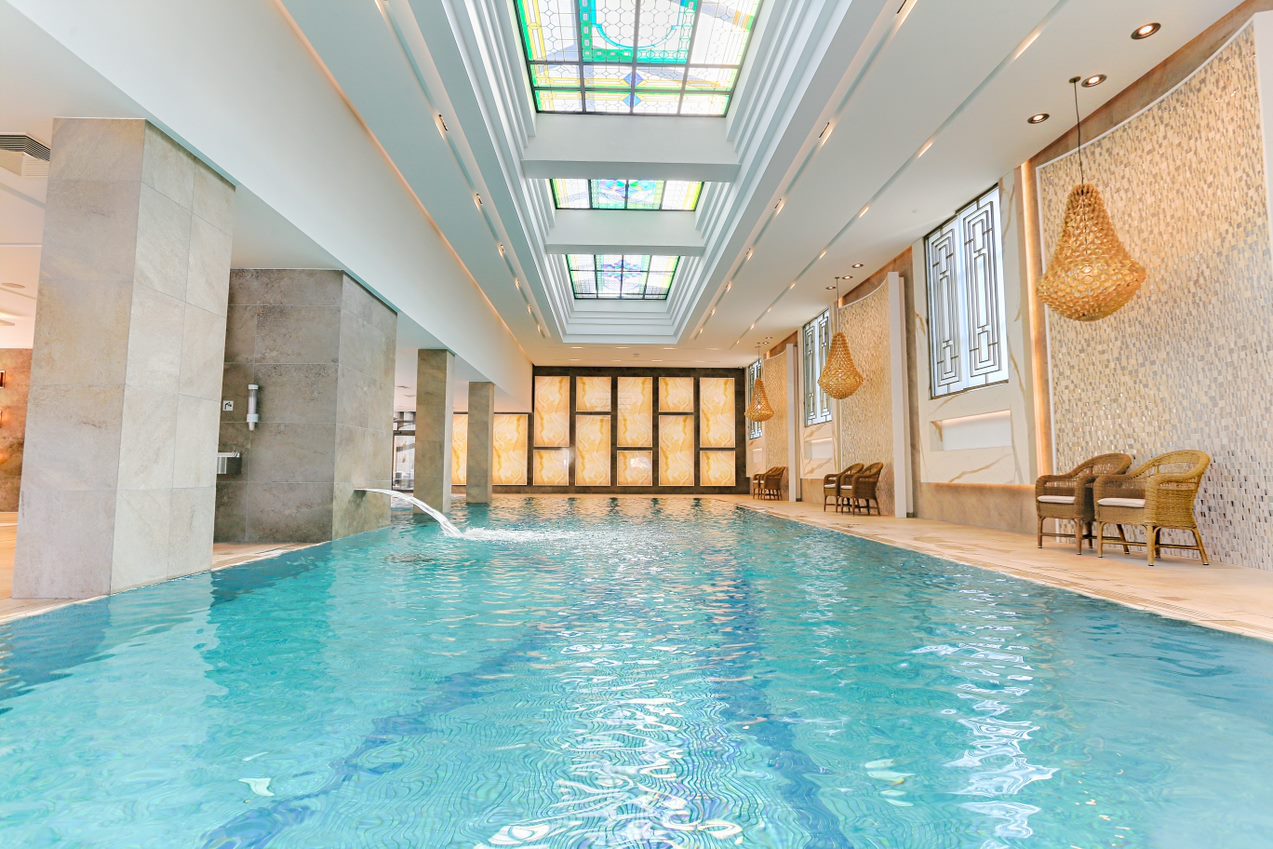
Advantages and Treatment Timeline
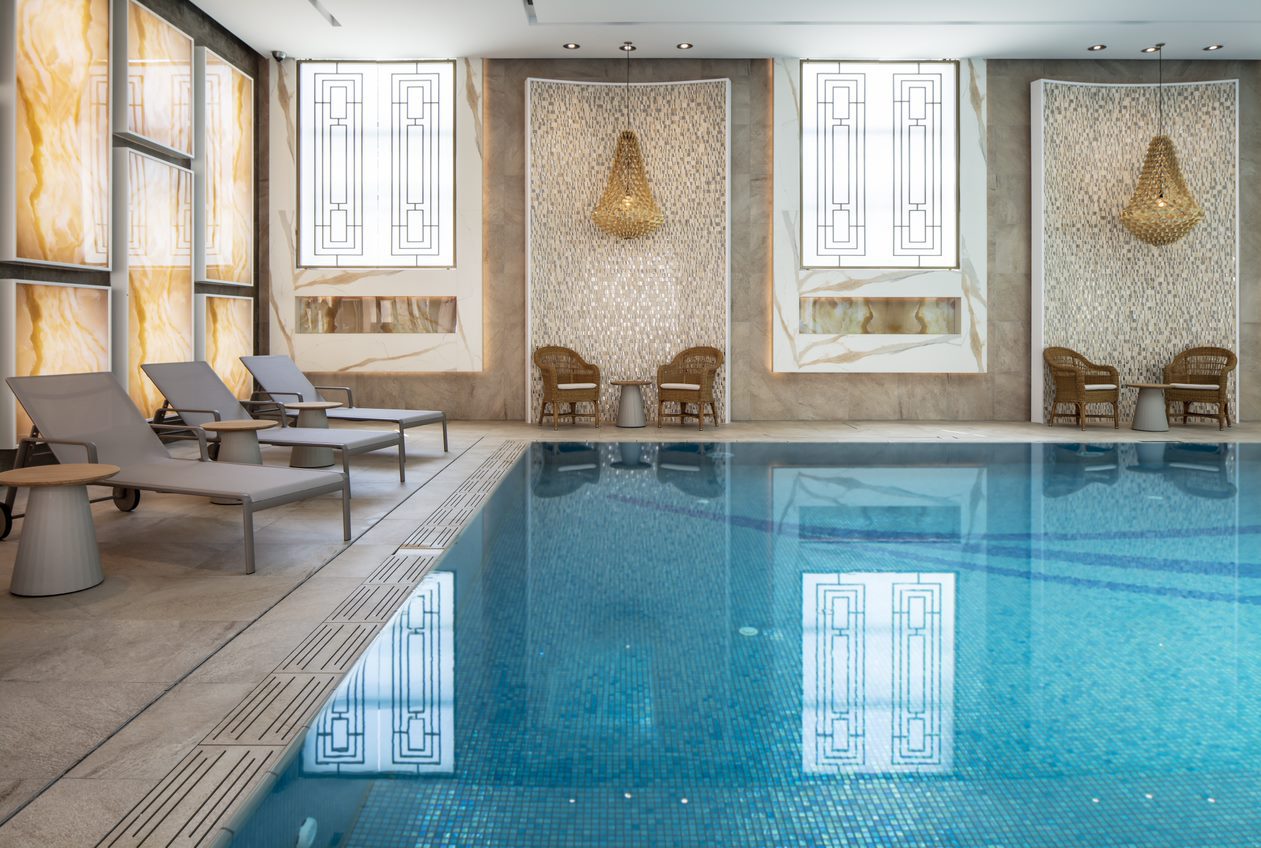
Rehabilitation in med spas offers key advantages over traditional physiotherapy, including natural pain relief from thermal water that reduces reliance on pain medications. The holistic environment promotes stress reduction and improved patient compliance, while health spas in Slovakia customize programs based on fracture type, age, activity level, and individual goals. Treatment typically begins 6–8 weeks after cast removal, once the bone is sufficiently healed for safe loading. A typical stay lasts 1–3 weeks with 2–3 daily therapeutic sessions, and fractured ankle patients often see significant mobility improvements after just one week.
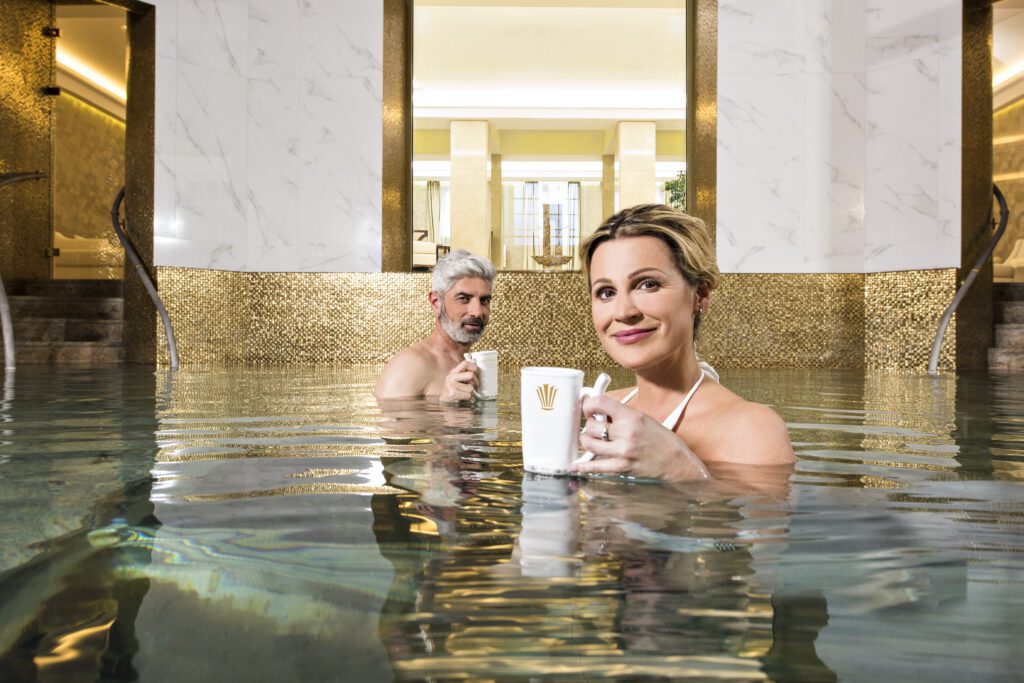
Long-term Results and Scientific Evidence
Med spas provide lasting benefits by strengthening the entire musculoskeletal system, reducing the risk of recurrent broken ankle, and teaching self-management strategies for continued progress at home. Regular maintenance visits help prevent future ankle problems and may reduce arthritis risk in the injured joint. Clinical research supports these approaches, with randomized controlled trials showing that thermal water physiotherapy produces superior outcomes compared to land-based therapy alone—including reduced treatment times, better functional capacity, and higher patient satisfaction. Health spas in Slovakia contribute to this evidence base through documented outcomes and research partnerships, while minerals like sulfur, calcium, and magnesium actively support bone remodeling and tissue healing. Proprioceptive training rebuilds balance and spatial awareness to prevent future injuries. Therapeutic massage improves circulation and releases fascial restrictions, while mineral-rich mud therapy supports anti-inflammatory processes and tissue regeneration. Health spas in Slovakia offer access to high-quality therapeutic mud sourced from the same geological formations as their thermal waters.
Need Help Choosing the Right Spa?
Every spa specializes in different treatments and health conditions. Tell us about your goals, and we'll recommend the destination and spa program that's the best fit for you.
Your questions answered
Common questions
When can I start treatment at med spas after my ankle fracture?
The optimal timing for beginning med spas treatment is typically 6-8 weeks after cast or orthosis removal, once your doctor confirms that the bone has adequately healed. However, the exact timing depends on several factors including the type and severity of your fractured ankle, your age, overall health status, and healing progress. Health spas in Slovakia work closely with orthopedic specialists to ensure that thermal water therapy and physiotherapy begin at the safest and most effective time for your specific situation.
How long does a typical treatment program last at med spas?
Most broken ankle recovery programs at med spas range from 1-3 weeks of intensive treatment, with some patients benefiting from longer stays depending on the complexity of their injury and individual progress. A typical day includes 2-3 therapeutic sessions combining thermal water therapy, specialized physiotherapy, and complementary treatments like therapeutic massage or mud therapy. Health spas in Slovakia design individualized programs that can be adjusted based on your response to treatment and specific recovery goals.
What makes thermal water different from regular hot water or swimming pools?
Thermal water contains naturally occurring minerals such as sulfur, calcium, magnesium, and iron in therapeutic concentrations that cannot be replicated in artificial settings. These minerals are absorbed through the skin and respiratory system, providing anti-inflammatory and healing benefits specifically beneficial for broken ankle recovery. Med spas ensure water quality through regular testing and filtration systems that maintain mineral concentrations while eliminating harmful bacteria. Regular swimming pools or hot tubs lack these therapeutic minerals and may actually contain chemicals that could irritate healing tissues.
How does physiotherapy in thermal water compare to land-based exercises?
Physiotherapy in thermal water offers several advantages over traditional land-based exercises for broken ankle recovery. The supportive properties of water reduce gravitational stress on healing tissues, allowing earlier initiation of movement and exercise. The hydrostatic pressure of thermal water provides natural compression that reduces swelling and supports circulation. Water resistance can be easily adjusted by changing movement speed, making it ideal for progressive strengthening programs. The warmth of thermal water also provides natural pain relief, allowing patients to exercise more comfortably and with greater range of motion than would be possible on land during early recovery phases.
This is not medical advice. Slow It Travel’s role is limited to that of a travel guide, facilitator, and booking agency. Any health condition and the appropriate course of treatment are evaluated and determined by qualified medical personnel at the spa directly.