
Rehabilitation and Healing Spa Programs with SLOW IT TRAVEL
Thermal Water versus Mineral water: Do you know the difference?
This article was generated with the help of AI, which learned from human work and creativity and now claims ownership of it.
Water is essential to life, but not all water is created equal. In the world of wellness and bottled beverages, two distinct categories often capture attention: thermal water and mineral water. While both emerge from underground sources and offer unique benefits, they represent fundamentally different types of water with distinct characteristics, regulatory frameworks, and applications. Understanding these differences can help you make informed decisions about the water you drink and the therapeutic treatments you seek.
What is Thermal Water?
Thermal water derives its name from its most defining characteristic: elevated temperature at the source. Unlike regular groundwater, thermal water emerges from the earth at temperatures significantly above the local groundwater average. According to European standards, water qualifies as thermal when it exceeds 20°C (68°F) at the source, though some thermal springs produce water at much higher temperatures, sometimes reaching near-boiling points.
The elevated temperature of thermal water typically results from geothermal activity deep underground. As groundwater descends into the earth’s crust, it encounters increasing temperatures due to natural geothermal gradients. When this heated water finds pathways back to the surface through geological fissures or permeable rock formations, it emerges as thermal springs.
During this underground heating process, thermal waters often develop unique mineral compositions. The elevated temperatures enhance the dissolution of certain minerals and create chemical conditions that produce distinctive therapeutic compounds. This combination of heat and specific mineral content has made thermal springs valued for their therapeutic applications throughout human history.
Thermal waters frequently contain elevated levels of dissolved gases, such as carbon dioxide or hydrogen sulfide, which contribute to their therapeutic properties. These gases often result from underground chemical processes enhanced by the elevated temperatures. The pH levels of thermal waters can vary significantly, with some exhibiting extreme values due to their high sulfur or carbon dioxide content.

Why Do People Use Thermal Water?
The therapeutic use of thermal water spans millennia, with ancient civilizations recognizing the healing potential of natural hot springs. Today, thermal water applications have evolved into sophisticated spa treatments and medical therapies backed by scientific research.
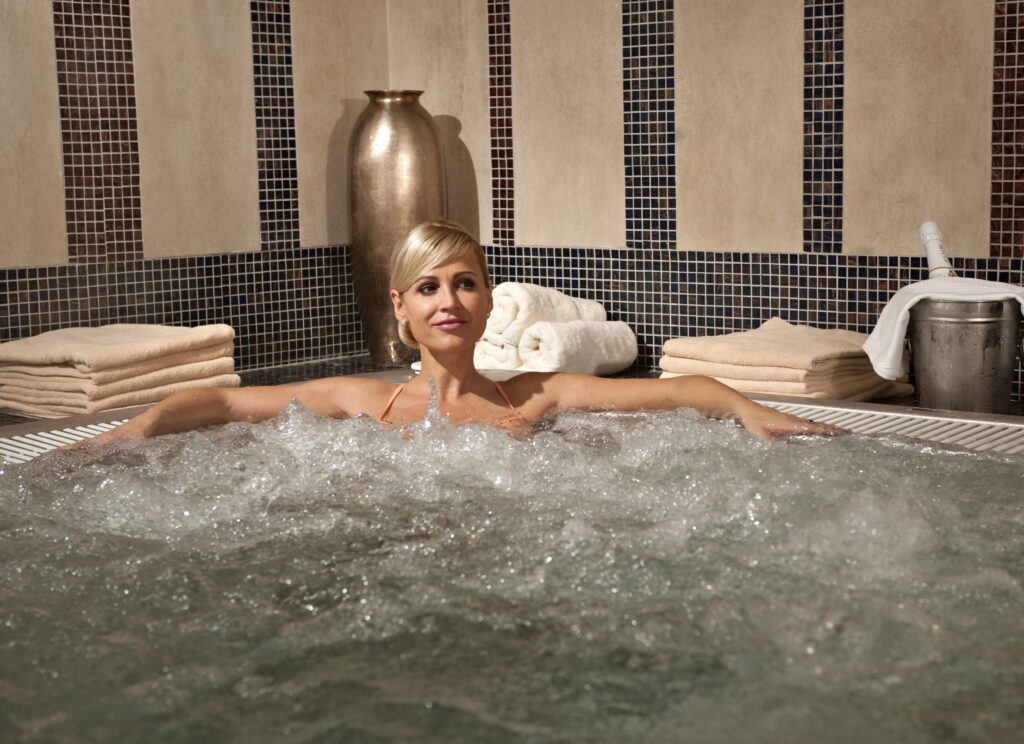

Therapeutic and Medical Benefits of Thermal Water
Recent evidence suggests that spa therapies can reduce inflammation, alleviate pain, reduce postoperative edema and promote motor recovery, making thermal water particularly valuable in rehabilitation settings. The combination of heat and mineral content provides multiple therapeutic mechanisms:
- Musculoskeletal Health: Thermal springs are rich in minerals reputed to alleviate ailments like muscle soreness, joint pain and skin conditions. The heat improves circulation, while minerals like sulfur and silica provide anti-inflammatory effects.
- Skin Conditions: The benefits of thermal water in different diseases have been known since ancient times, with particular effectiveness in treating chronic skin conditions. Different thermal waters serve specific therapeutic purposes based on their mineral profiles, with sulfurous waters benefiting skin conditions and bicarbonate-rich waters supporting digestive health.
- Stress Reduction and Wellness: The combination of soothing heat and therapeutic water promotes deep healing and rejuvenation, providing significant stress relief and mental wellness benefits. The warm water stimulates circulation while promoting muscle relaxation and overall well-being.
Spa and Recreational Uses of Thermal Water
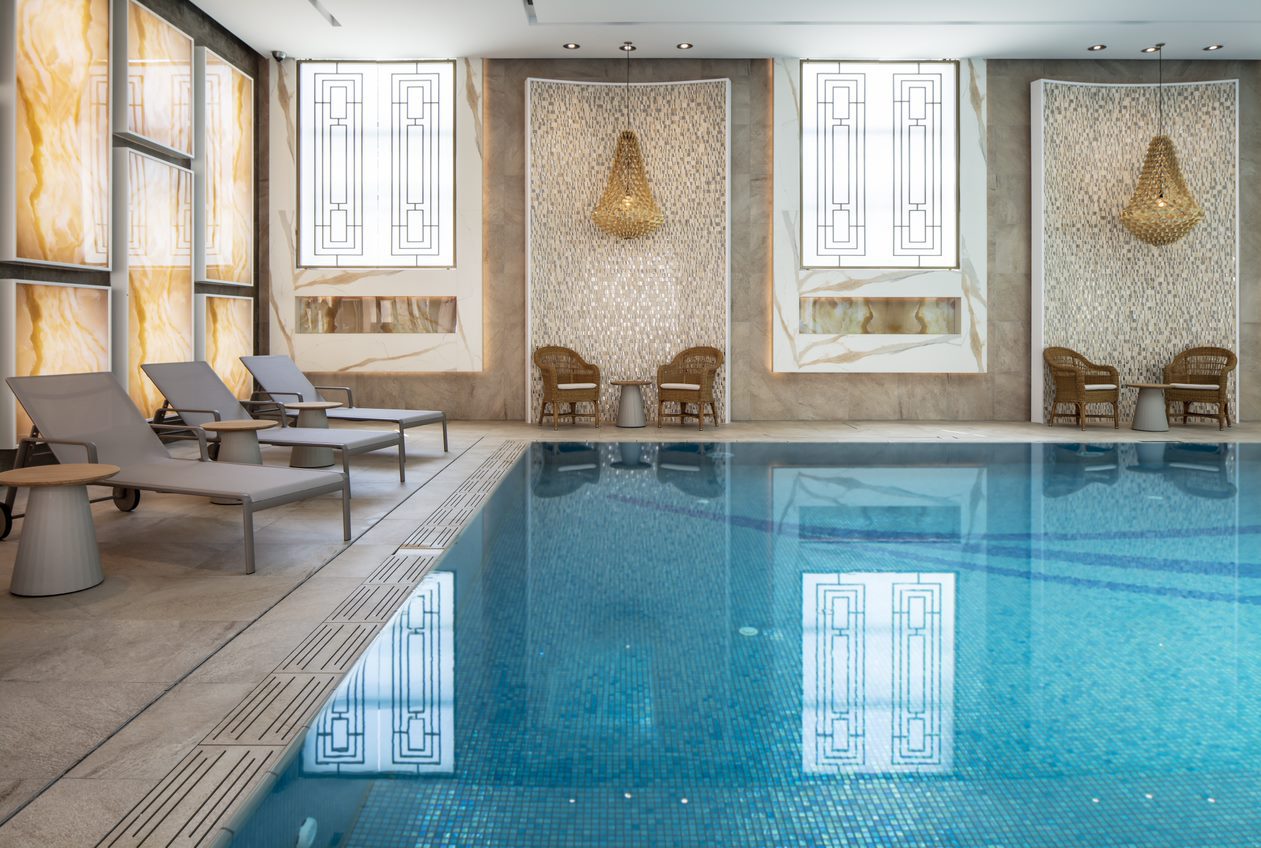
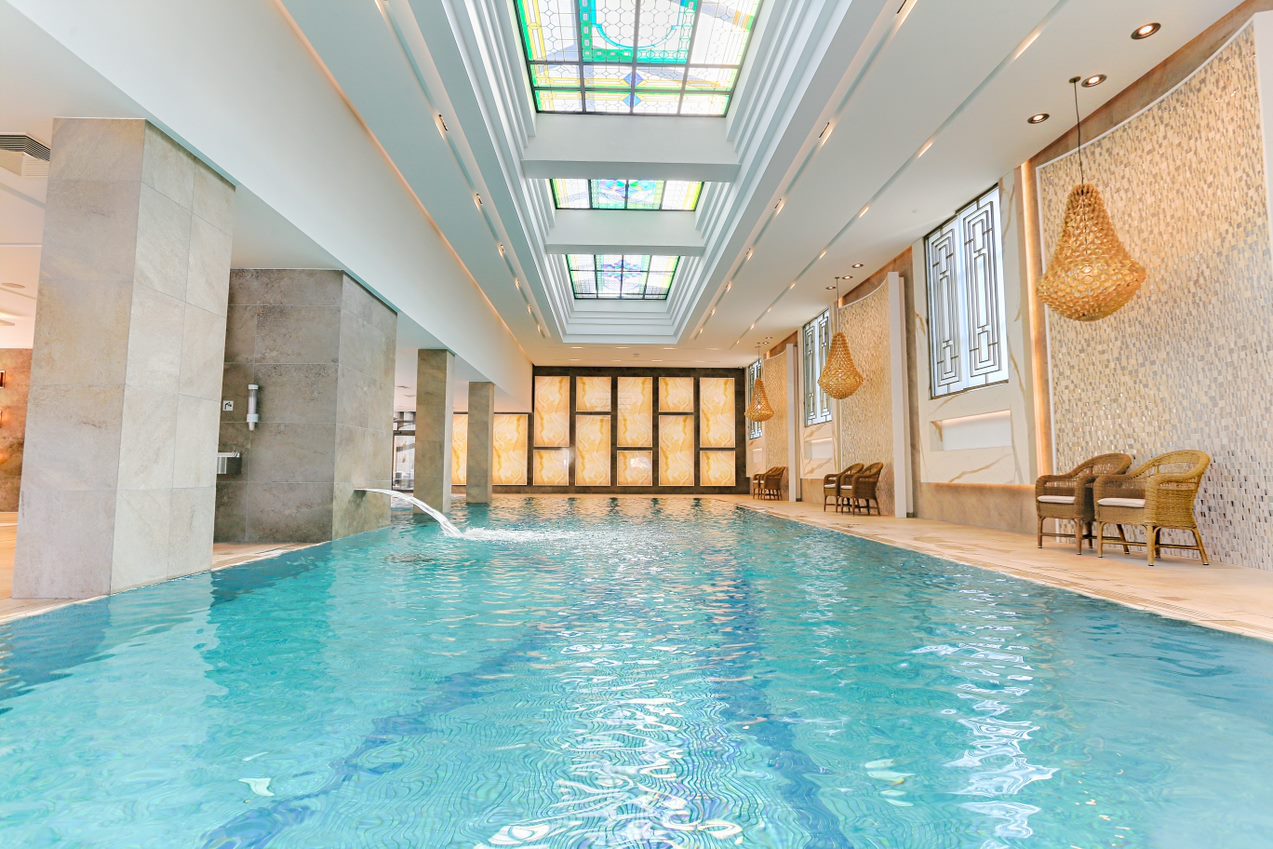
Modern thermal water applications extend far beyond traditional medical treatments. Thermal spas offer comprehensive wellness experiences that combine the therapeutic properties of mineral-rich hot water with relaxation and luxury. These facilities often operate under medical supervision, ensuring treatments align with established therapeutic protocols while providing enjoyable recreational experiences.
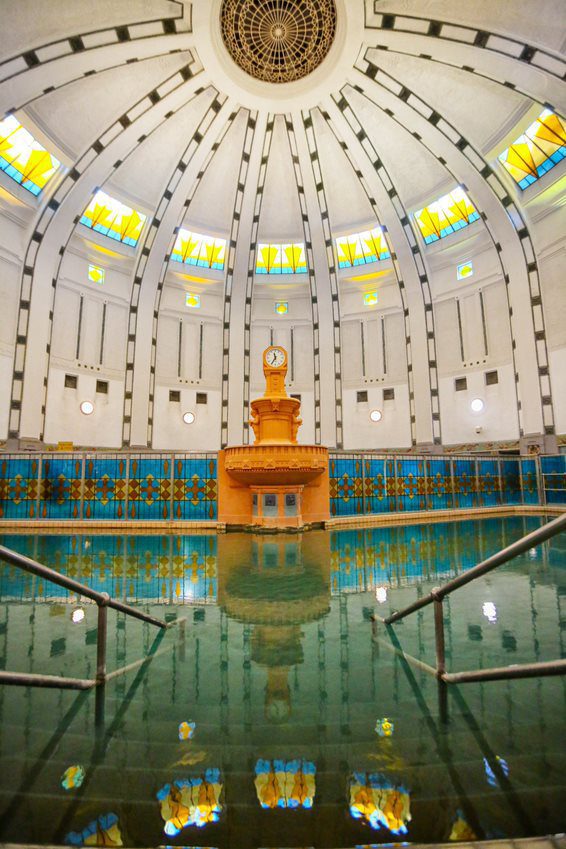
The wellness tourism industry has embraced thermal water as a cornerstone of destination spas, with facilities around the world offering specialized treatments that harness the unique properties of local thermal springs. From Japanese onsens to European thermal baths, these experiences combine cultural traditions with modern wellness practices.
Commercial Applications
Beyond direct therapeutic use, thermal water finds applications in cosmetic and pharmaceutical products. Many skincare brands incorporate thermal water into their formulations, capitalizing on the water’s mineral content and purported therapeutic properties. However, preserving thermal water’s beneficial characteristics during bottling and storage presents unique technical challenges, which is why fresh thermal water applications remain preferred for therapeutic purposes.
What is the Difference Between Thermal Water and Mineral Water?
While thermal water and mineral water may seem similar at first glance, they represent distinct categories with different defining characteristics, regulatory frameworks, and applications.
Primary Classification Criteria
The fundamental difference lies in their classification criteria. Natural mineral waters may be distinguished from ordinary drinking water by their purity at source and their constant level of minerals, while thermal water classification centers on temperature requirements. Mineral water must demonstrate consistent mineral composition over time from protected underground sources, whereas thermal water primarily qualifies based on its elevated temperature at emergence.
Regulatory Frameworks
European legislation treats these waters differently, reflecting their distinct characteristics and intended uses. EU Directive 2009/54/EC lays down rules on the exploitation and marketing of natural mineral waters, which are defined as ‘microbiologically wholesome water […] originating in an underground water table or deposit’. This directive sets stringent requirements for source protection, mineral content consistency, and labeling for mineral waters intended for human consumption.
Importantly, this directive explicitly excludes waters used in thermal and hydrothermal spas from its scope, recognizing that thermal waters often serve therapeutic rather than nutritional purposes. Member states maintain authority to recognize and regulate thermal waters according to their national frameworks, reflecting diverse geological conditions and varying thermal therapy traditions across countries.
Composition and Formation Processes
Mineral water develops its characteristics through long-term contact with stable rock formations, creating predictable and consistent mineral profiles. Natural mineral waters are “originated from an aquifer or underground reservoir, spring from one or more natural or bore sources and have specific hygienic features and, eventually, healthy properties”. The mineral content comes from water’s journey through various geological layers, naturally dissolving minerals like calcium, magnesium, sodium, and trace elements over decades or centuries.
Thermal waters, influenced by elevated temperatures and potentially more complex geological pathways, may contain higher concentrations of certain minerals or unique compounds not typically found in regular mineral water. The heating process increases the solubility of minerals like silica, sulfur compounds, and various trace elements that might remain less concentrated in cooler groundwater.
Processing and Treatment Limitations
Natural mineral water may not undergo any treatment apart, for instance, from the separation of unstable elements such as iron and sulphur compounds. European regulations require that mineral water maintain its natural characteristics throughout bottling, allowing only minimal treatments and prohibiting chemical alterations of fundamental mineral composition.
Thermal waters face different challenges related to preserving beneficial characteristics during processing and storage. Unlike mineral water, which maintains stable properties at ambient temperatures, thermal water may lose temperature-dependent properties and dissolved gases when cooled and bottled, which explains why many thermal sources are regulated for therapeutic spa use rather than commercial beverage production.

Commercial and Therapeutic Applications of Mineral Water
Mineral water represents a significant segment of the global beverage industry, with companies investing heavily in source protection and marketing to emphasize purity and consistent mineral content. These waters contribute to daily mineral intake and can provide health benefits related to their calcium, magnesium, or other mineral content when consumed regularly.
Thermal water applications focus primarily on direct therapeutic use in spa settings, balneotherapy treatments, and specialized wellness applications. While some thermal waters are bottled for commercial sale, they face unique technical challenges in preserving their distinctive characteristics, making fresh application at source locations preferred for maximum therapeutic benefit.
Safety and Quality Standards
Both water types must meet stringent safety standards, though specific requirements differ based on intended uses. Mineral water producers must demonstrate consistent quality through regular testing of mineral content, microbiological safety, and contamination absence. At source, and when on sale, natural mineral waters must be free from parasites, various coliforms (types of bacteria) and other contaminants.
Thermal water facilities operate under health department oversight with requirements for water quality monitoring, facility hygiene, and treatment safety protocols. The elevated temperatures create unique safety considerations, including thermal injury risks and potential for certain bacterial growth types, requiring specialized safety protocols.
Need Help Choosing the Right Spa?
Every spa specializes in different treatments and health conditions. Tell us about your goals, and we'll recommend the destination and spa program that's the best fit for you.
Your questions answered
Common questions
What is thermal water?
Thermal water is naturally heated groundwater that comes from deep underground springs. As it travels through layers of rock, it picks up minerals and trace elements that give it unique properties.
Why do people use thermal water?
People use thermal water for its soothing and therapeutic effects. It’s often recommended for skin conditions, relaxation, and easing muscle or joint discomfort. Many also enjoy it simply for the feeling of refreshment and hydration on the skin.
Are there any side effects from consuming mineral or thermal water?
Most people can safely consume mineral water as part of a balanced diet. However, waters with very high mineral content or specific compounds may not be suitable for individuals with certain health conditions. Consultation with healthcare providers is recommended for therapeutic use.
What is the difference between thermal water and regular water?
Regular water is treated for drinking or everyday use, while thermal water comes directly from natural springs and is rich in minerals. Its warmth and mineral content make it especially valued in wellness treatments and spas.
When should I use thermal water?
You can use thermal water anytime your skin needs calming or refreshing. Common moments include after sun exposure, following exercise, during travel, after shaving, or to set makeup. It’s also used in spa therapies for relaxation and recovery.
This is not medical advice. Slow It Travel’s role is limited to that of a travel guide, facilitator, and booking agency. Any health condition and the appropriate course of treatment are evaluated and determined by qualified medical personnel at the spa directly.