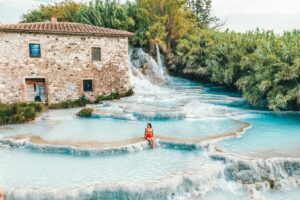
Mineral-rich water is a natural wonder that has been cherished for centuries for its health and wellness benefits. Found deep beneath the Earth’s surface, this mineral-rich water rises to the top, bringing with it a host of nutrients and therapeutic properties. But what exactly is this water, how is it formed, and why is it so beneficial? Let’s dive in and explore.
What Is Thermal Water?
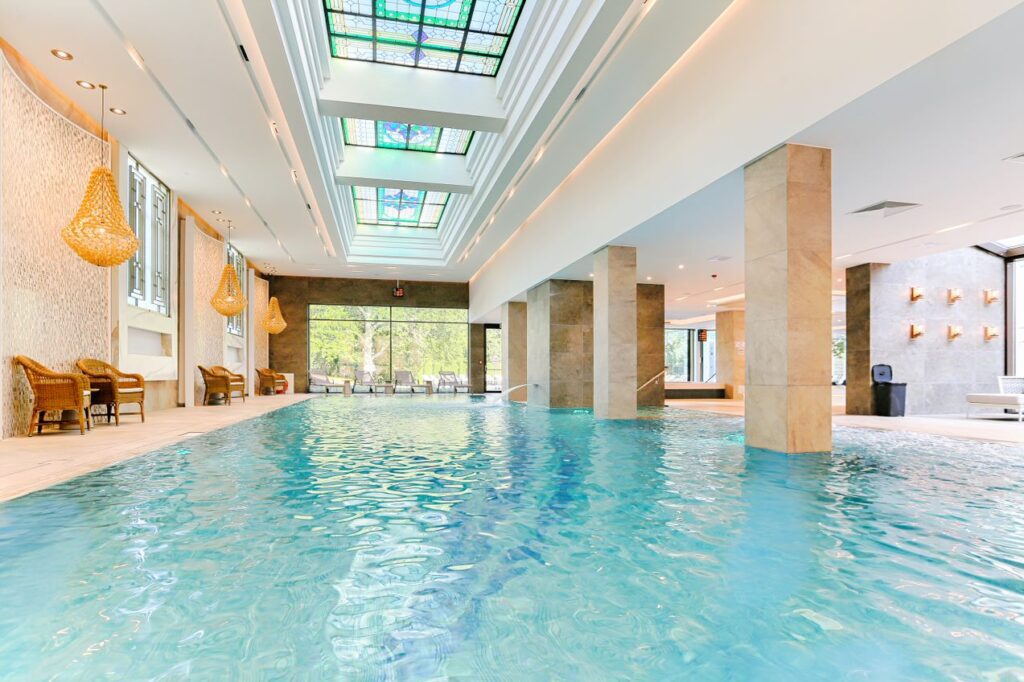
Mineral-rich water is essentially groundwater that’s been naturally heated by geothermal energy deep beneath the Earth’s surface. As it rises, it travels through layers of rock and soil, picking up beneficial minerals like calcium, magnesium, potassium, and sulfur. This unique blend of heat and minerals distinguishes it from everyday tap water.
Thermal water is not only soothing but also packed with essential minerals that can enhance overall health.
It typically surfaces in the form of hot springs, geysers, or spa baths, with temperatures ranging from around 20°C (68°F) to well over 100°C (212°F). These natural springs are commonly found in geologically active areas, especially regions with volcanic activity or thin sections of the Earth’s crust.
How Is Thermal Water Formed?
The formation of thermal water begins with rainwater or melted snow seeping into the ground. This water travels deep below the Earth’s surface and encounters heat from its core. Along its journey, the water dissolves and absorbs minerals from the rocks and soil it passes through.
Many people seek the rejuvenating effects of thermal water to boost their wellness journeys.

Intensive Spa Stay

Traditional Spa Stay

Essential Spa Stay
Eventually, this heated, mineral-rich water rises back to the surface through cracks or faults in the Earth. The result is a natural spring of warm, mineral-infused water ready to be enjoyed for its therapeutic and rejuvenating properties.
The Origins of Thermal Water in Europe
Thanks to its unique geological makeup, Europe is home to some of the most famous mineral-rich thermal water sources in the world. Countries like Slovakia, Hungary, Iceland, Italy, and France have an abundance of thermal springs that have been used for relaxation and healing for centuries.
Medical Check-Up

Healthy in Slovakia
Royal Classic
- Ancient Rome: The Romans were pioneers in utilizing thermal water for health and hygiene. They built elaborate bathhouses, or “thermae,” where people would gather to bathe, socialize, and even conduct business.
- Budapest, Hungary: Known as the “City of Spas,” Budapest has over 100 thermal springs that have been used since Roman times.
- Iceland: With its volcanic landscape, Iceland is famous for its geothermal lagoons, such as the Blue Lagoon, which is rich in silica and sulfur.
These waters have been cherished across generations for their physical and mental health benefits.
The Benefits of Thermal Water
The popularity of thermal water has led to a resurgence in spa culture, with more people recognising its health benefits.
This mineral-rich water is more than just a warm, soothing bath – it’s a natural therapy with proven benefits for the body and mind. Here are some key benefits:
- Skin Health
The minerals in water, like sulfur and silica, are known to improve skin conditions such as eczema, acne, and psoriasis. They help reduce inflammation, soothe irritation, and promote healing. - Pain Relief
Warm water can relax muscles and alleviate joint pain. It’s particularly beneficial for people with arthritis or other chronic pain conditions. - Improved Circulation
The heat from water helps dilate blood vessels, improving circulation and oxygen flow throughout the body. This can enhance overall cardiovascular health. - Stress Reduction
Soaking in warm mineral-rich water has a calming effect on the nervous system, reducing stress and promoting relaxation. - Detoxification
The minerals in this water help draw out toxins from the body while nourishing the skin, leaving you feeling refreshed and rejuvenated.
How to Enjoy Thermal Water
There are many ways to experience the benefits of thermal water:
- Hot Springs: Visit natural hot springs for a relaxing soak in mineral-rich water.
- Thermal Spas: Many European spas specialize in thermal water treatments, offering pools, baths, and even skincare products infused with this kind of water.
- Skincare Products: SSprays and creams with mineral-rich water are widely available and can be used daily to hydrate and soothe the skin.
Frequently asked questions
What is thermal water?
Thermal water is naturally heated groundwater that rises to the surface from deep underground springs. Along its journey, it absorbs minerals from the surrounding rocks, making it rich in elements like sulfur, magnesium, calcium, and bicarbonates. These minerals give thermal water its therapeutic properties.
Where does thermal water come from?
It forms when rainwater seeps deep into the earth, where it’s heated by geothermal energy and enriched with minerals. In places like Slovakia, this water surfaces naturally through springs and is collected in spa pools or used directly in treatments. Many of these springs have been used for centuries for their health benefits.
What are the main health benefits of thermal water?
Thermal water supports the body in several ways. It helps improve blood circulation, eases muscle and joint tension, calms the nervous system, and promotes better sleep. Minerals like sulfur can also help reduce skin irritation, inflammation, and joint pain. Regular bathing can improve overall energy and reduce stress.
Can thermal water help with chronic conditions?
Yes. People with arthritis, joint stiffness, skin issues, digestive discomfort, or post-surgical fatigue often benefit from thermal water treatments. The combination of warmth and minerals supports the body’s natural healing processes. While it’s not a cure, it offers long-term relief for many.
How is thermal water different from regular hot water in a spa or hot tub?
Unlike tap water that’s artificially heated, thermal water is naturally warm and rich in healing minerals. The benefits come not just from the heat but from what’s dissolved in the water. This makes it more than just relaxing — it can have measurable effects on inflammation, circulation, and recovery.
How are thermal water treatments typically used in spas?
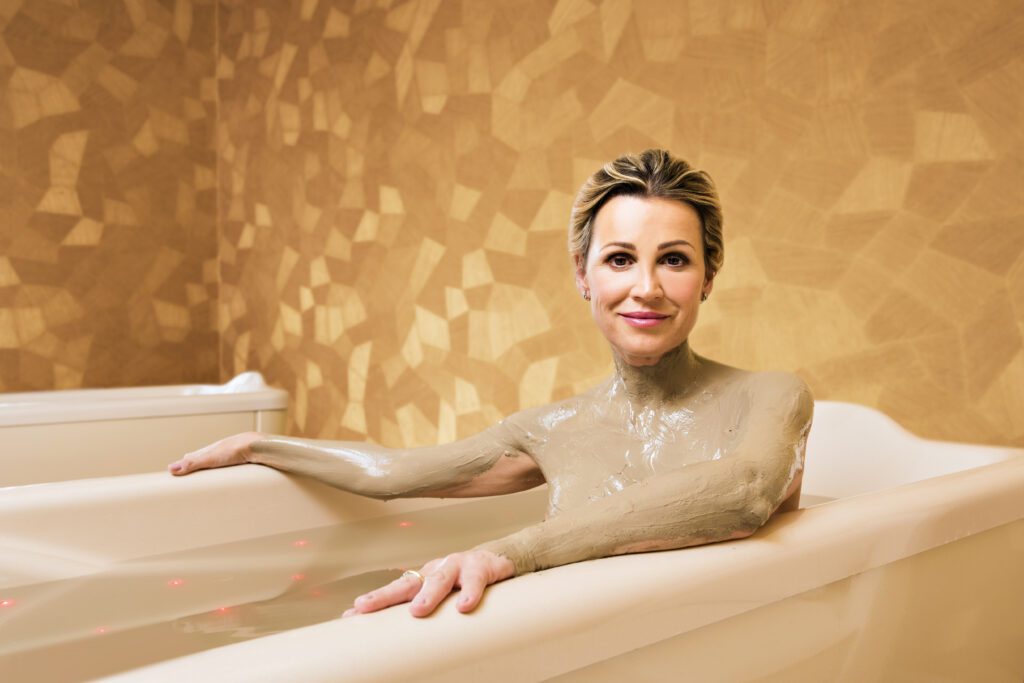
Thermal water is used in pools for soaking, in showers and rinses, and as a base for facials, masks, and compresses. Some spas also use it in steam rooms or mineral baths. The water is often part of a broader treatment plan that includes massage, mud therapy, or physical therapy.
Do you need a specific condition to benefit from thermal water?
No. While people with certain health concerns benefit greatly, many visitors use thermal water simply to rest, recharge, and prevent future issues. It’s a gentle, natural way to support general wellness and manage the effects of daily stress.
Are there any risks or side effects from using thermal water?
For most people, thermal water is safe and well-tolerated. However, people with certain heart conditions or uncontrolled high blood pressure should check with a doctor before using hot baths. Spa staff are usually trained to guide guests to the right temperature and type of treatment.
Is thermal water used only for bathing?
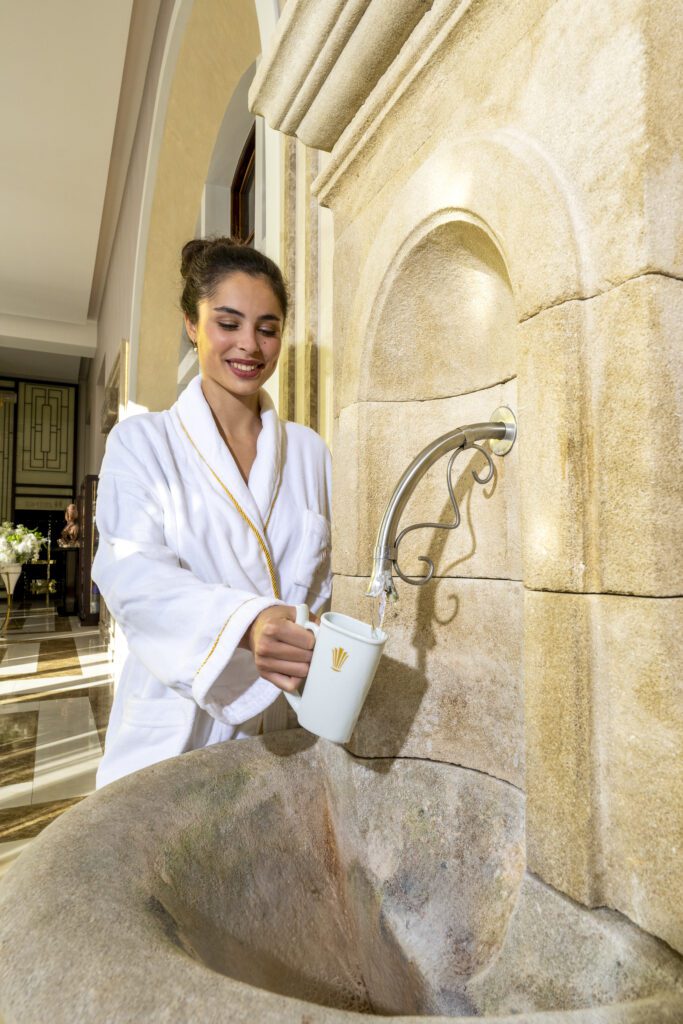
Not at all. In many Slovak spas, thermal water is also used in facials, inhalation therapies, mud treatments, and even in drinking cures under supervision. It’s considered a therapeutic tool that supports the body in multiple ways, from skin health to joint function.
Why is Slovakia known for its thermal water spas?
Slovakia has a high number of natural thermal springs, many of which have been used for centuries. The country’s spa culture is rooted in both tradition and medical science. Treatments using thermal water are considered part of preventive care and rehabilitation, not just leisure.
Final Thoughts
This water is a gift from nature, offering a unique blend of minerals and warmth that can improve both physical and mental well-being. Whether you visit a luxurious spa in Europe, relax in a natural hot spring, or incorporate mineral baths into your skincare routine, the benefits are undeniable. It’s no wonder that this water has been celebrated for centuries and continues to be a cornerstone of health and wellness today.