
Rehabilitation and Healing Spa Programs with SLOW IT TRAVEL
Natural Arthritis Relief: How Heat Therapy Eases Pain Without Medication
Anyone searching for natural arthritis relief has usually already tried the obvious things: over-the-counter painkillers, a bit of rest, maybe a change in diet. Heat therapy tends to get mentioned almost as an afterthought, tucked into a list of home remedies, when it actually deserves a closer look.
Rheumatoid arthritis affects roughly 1.3 million adults in the United States, somewhere between 0.6% and 1% of the adult population, and more than a third of that group ends up facing work disruption because of it. Joint disease rarely stays confined to the joints. It reshapes daily routines, sleep, mood and long-term independence.
Heat therapy is one of the few natural remedies for arthritis pain with real clinical backing behind it, rather than just anecdotal support. This article looks at what the therapy actually does inside the body, why doctors keep recommending it alongside standard treatment, and where in Europe it’s practiced with the most precision.
How Heat Therapy Works as a Natural Arthritis Remedy
Heat therapy, sometimes called thermotherapy, raises the temperature of soft tissue to trigger a cascade of physiological responses. Blood vessels widen, circulation picks up, and the surrounding muscles loosen. None of this is new. Cultures have applied warmth to sore joints for thousands of years, and it remains one of the simplest home remedies for arthritis pain precisely because it needs no prescription and carries almost no risk when used sensibly.
Typical delivery methods include:
- Warm water immersion or thermal baths
- Heat wraps and moist compresses
- Paraffin or dry heat packs
- Infrared lamps and saunas
- Topical warming preparations
Each option carries a slightly different depth of penetration and duration of effect, which is why a European health spa built around medical protocols will often rotate between several forms rather than relying on just one.
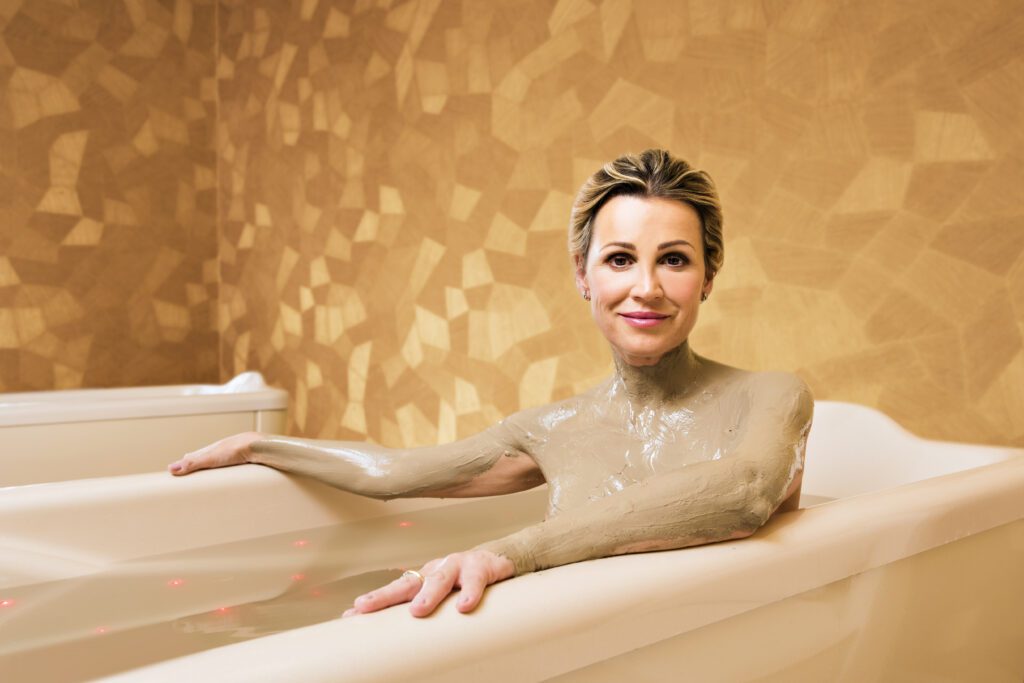
Does Heat Help Rheumatoid Arthritis?
Rheumatoid arthritis is an autoimmune disorder in which the immune system misfires and attacks the lining of the joints. The result is swelling, stiffness, fatigue and pain that can flare unpredictably. Because the disease is systemic rather than localized, treatment usually combines medication with supportive therapies that calm the surrounding tissue and keep joints moving.
So does heat actually help? Clinical evidence points to superficial moist heat, applied through hot packs or warm baths, as particularly useful when paired with guided movement or rehabilitation exercise. The heat doesn’t reverse the autoimmune process, but it changes how the body experiences it day to day, and that’s often the difference between a manageable day and a lost one.
Documented effects include:
- Circulation gains. Widened blood vessels carry more oxygen and nutrients to inflamed tissue.
- Looser muscles. Warmed muscle fibers release tension that would otherwise restrict movement.
- Lower pain signals. Heat dulls nerve sensitivity, which raises the threshold at which discomfort registers.
- Greater joint range. Stiff joints loosen enough to make ordinary tasks less taxing.
- Fewer spasms. Chronic inflammation often triggers muscle spasms, and warmth interrupts that cycle.
For people trying to reduce their reliance on anti-inflammatory medication, or simply avoid the side effects that come with long-term drug use, this gives a genuine non-pharmacological option to fall back on.

The Mental Weight of Living With Joint Pain
Arthritis rarely stops at the physical. Chronic pain wears down sleep quality, shifts mood and, over time, can contribute to anxiety or low-grade depression. Anyone who has spent a night unable to find a comfortable position knows how quickly that exhaustion bleeds into the next day.
Warmth applied consistently changes this picture in a few measurable ways:
- Sleep tends to deepen once muscle tension and pain intensity drop before bedtime.
- Cortisol and general stress markers ease as the body shifts into a more relaxed state.
- Mood stabilizes as pain becomes less of a constant background presence.
- Daytime energy improves once sleep and stress are no longer working against each other.
A 2021 clinical trial on heat wrap therapy for acute lower back pain found measurable improvements in sleep, functional mobility and reported wellbeing among participants. Roughly 80% of back pain cases are acute and resolve on their own within a week, but the chronic cases, often tied to arthritis or other inflammatory joint disease, are exactly where sustained thermotherapy earns its place in a treatment plan.
Home Treatment Versus a Supervised Spa Program
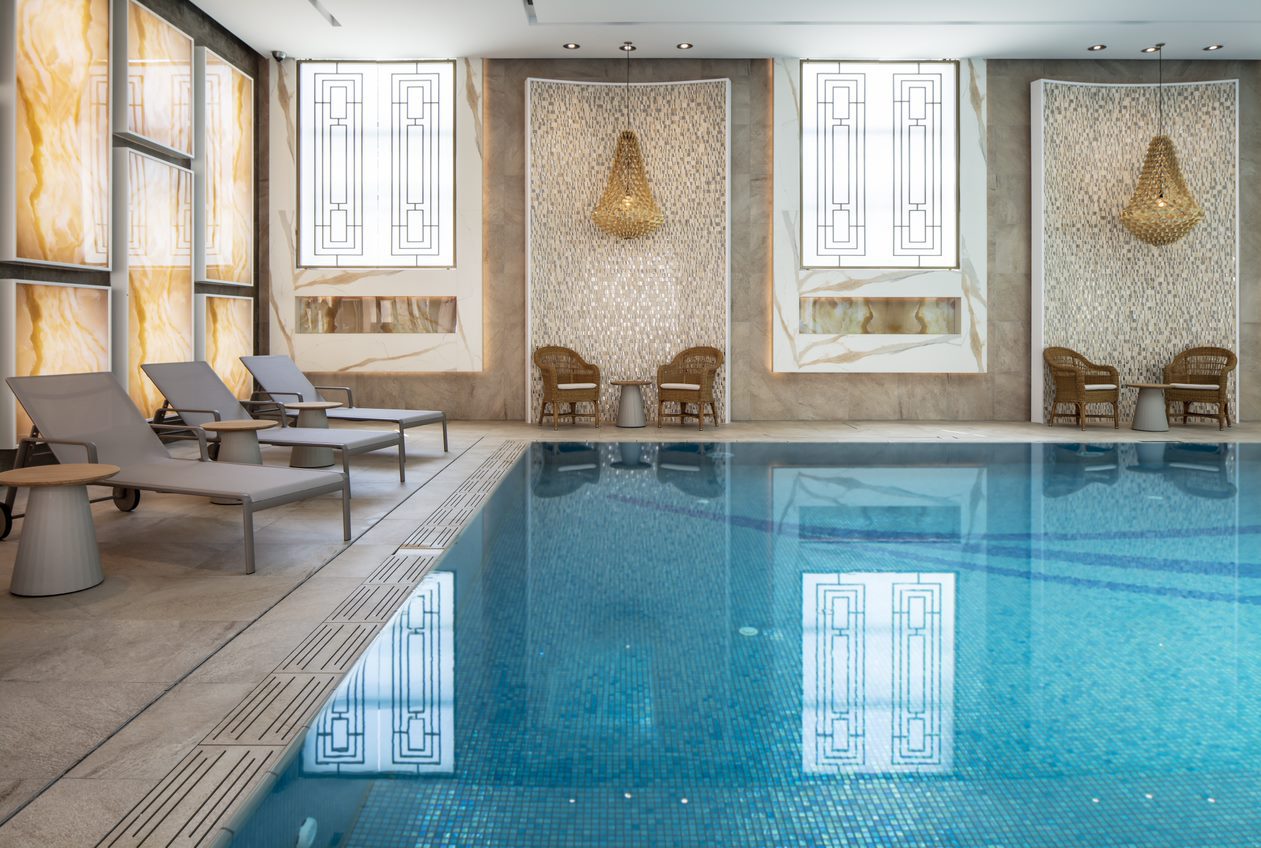
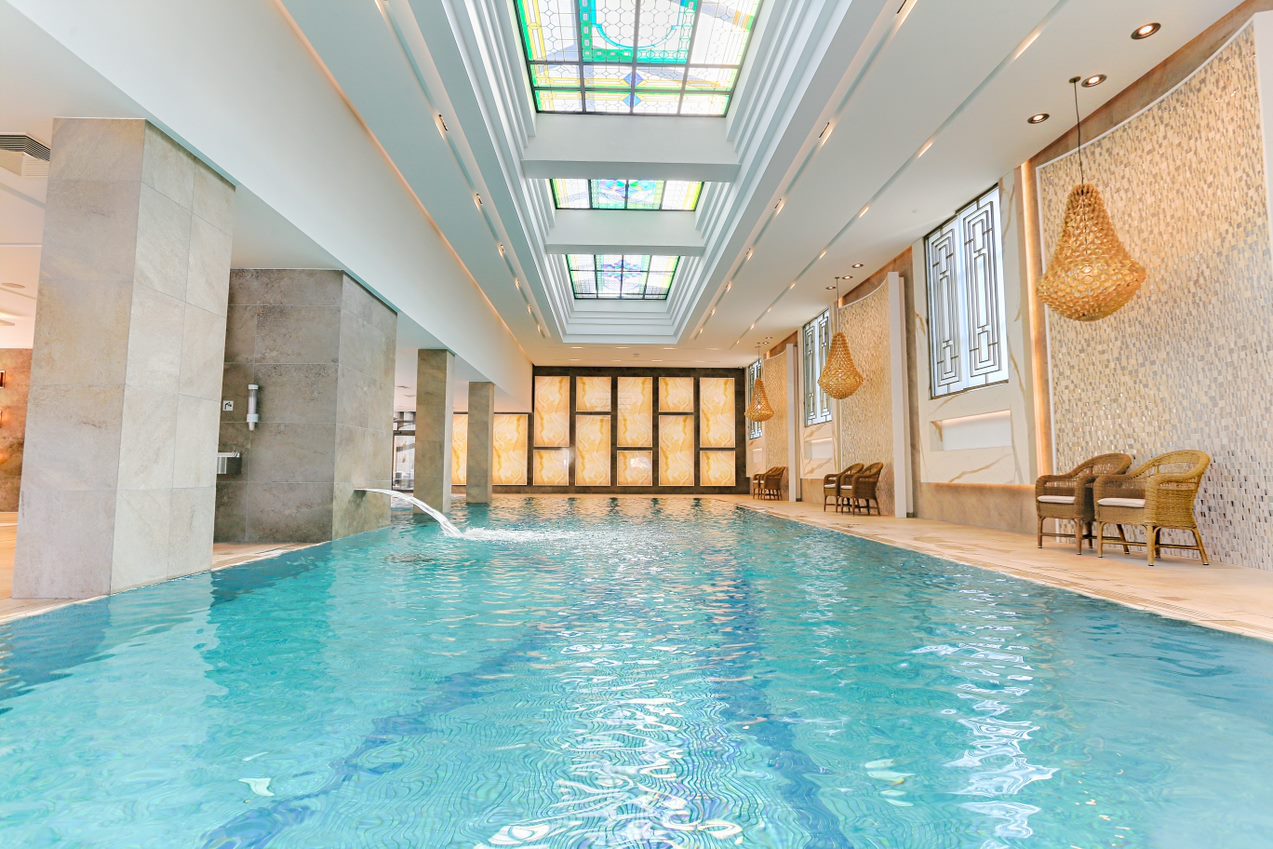
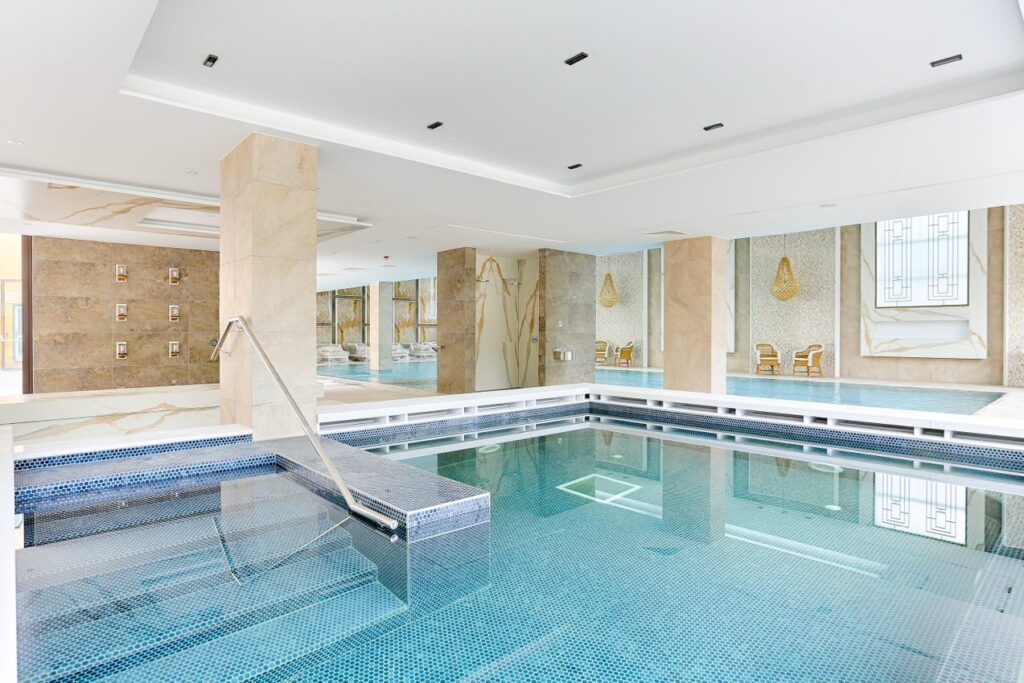
A heating pad at home has its uses, and nobody should dismiss it. But there’s a ceiling to what self-administered heat can achieve. A supervised program at a rehabilitation clinic or medical spa stay in Slovakia brings equipment and expertise that simply aren’t available in a living room: infrared saunas calibrated to specific tissue depths, thermal hydrotherapy pools, herbal wraps formulated for inflammatory conditions, and staff trained to combine heat with manual therapy or movement work.
Customization matters here more than people expect. The right intensity, duration and frequency of heat exposure depends on how active the disease currently is, what medications someone takes, and whether other joints or organs are involved. Anyone managing rheumatoid arthritis, especially while on prescription treatment, should loop in a physician before starting a new thermal regimen, simply to make sure nothing conflicts.

Why Slovakia's Thermal Spas Are Built for This Exact Purpose
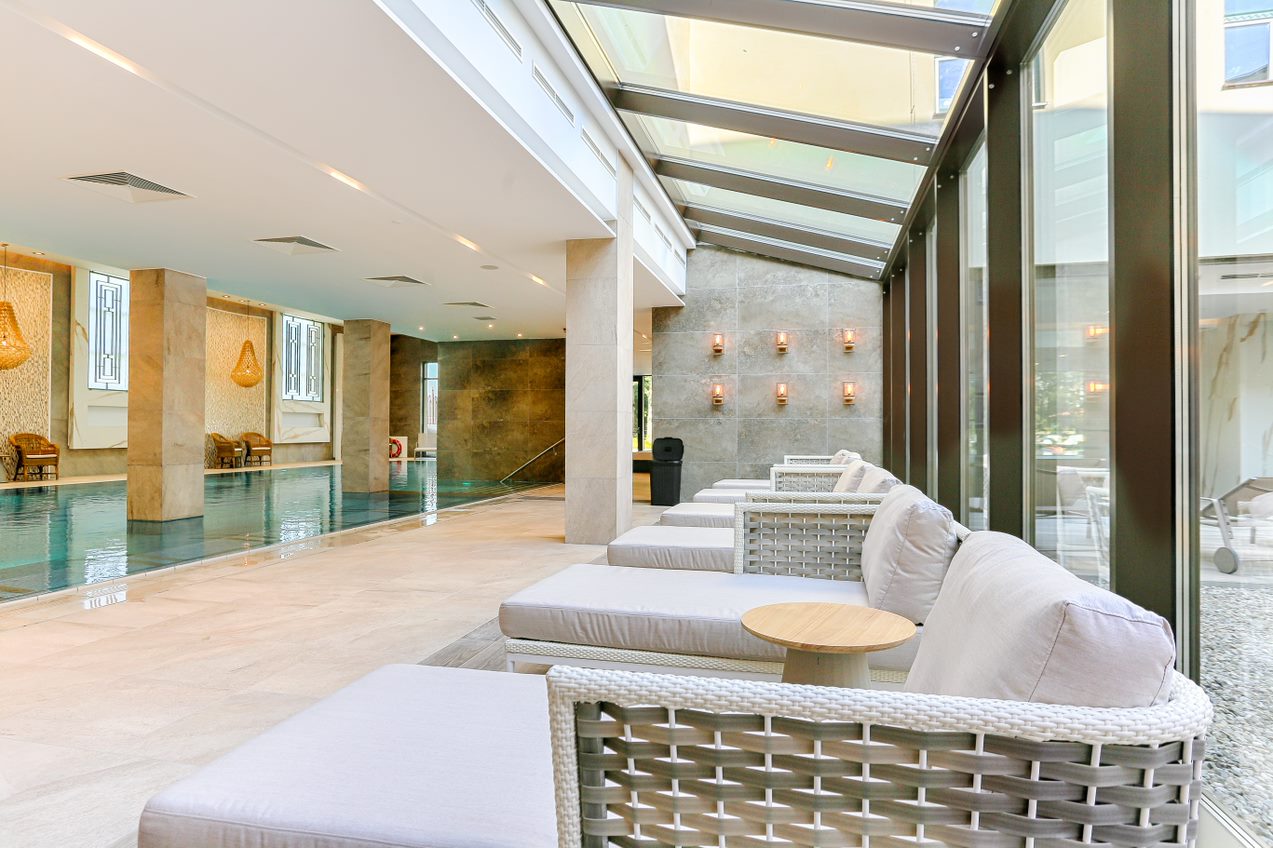
Slovakia’s spa tradition wasn’t built around relaxation alone. Many of its thermal spas were established specifically to treat musculoskeletal and rheumatic conditions, drawing on naturally occurring mineral-rich springs that have been used medically for centuries. That history shows up in how the programs are structured today: physician oversight, individualized treatment plans, and a rotation of heat-based therapies that would be difficult to replicate outside a clinical setting.
This is also where Slovakia holds an advantage over general wellness spa stays across Europe: the emphasis sits on documented medical outcomes rather than spa aesthetics alone, while the cost of a multi-week program remains a fraction of comparable rehabilitation care in the United States.
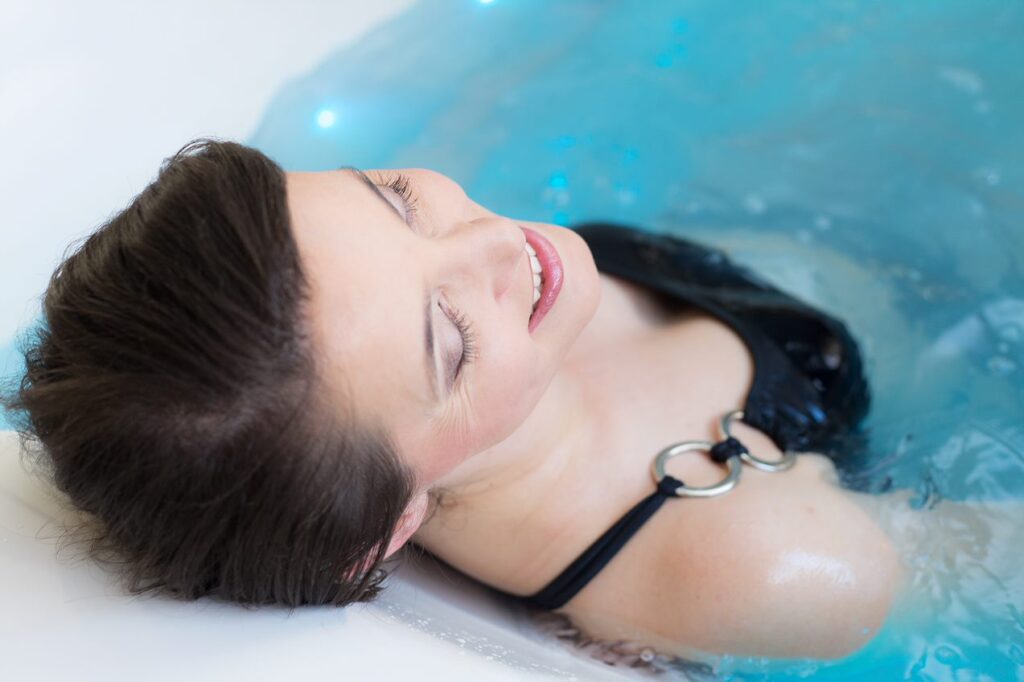
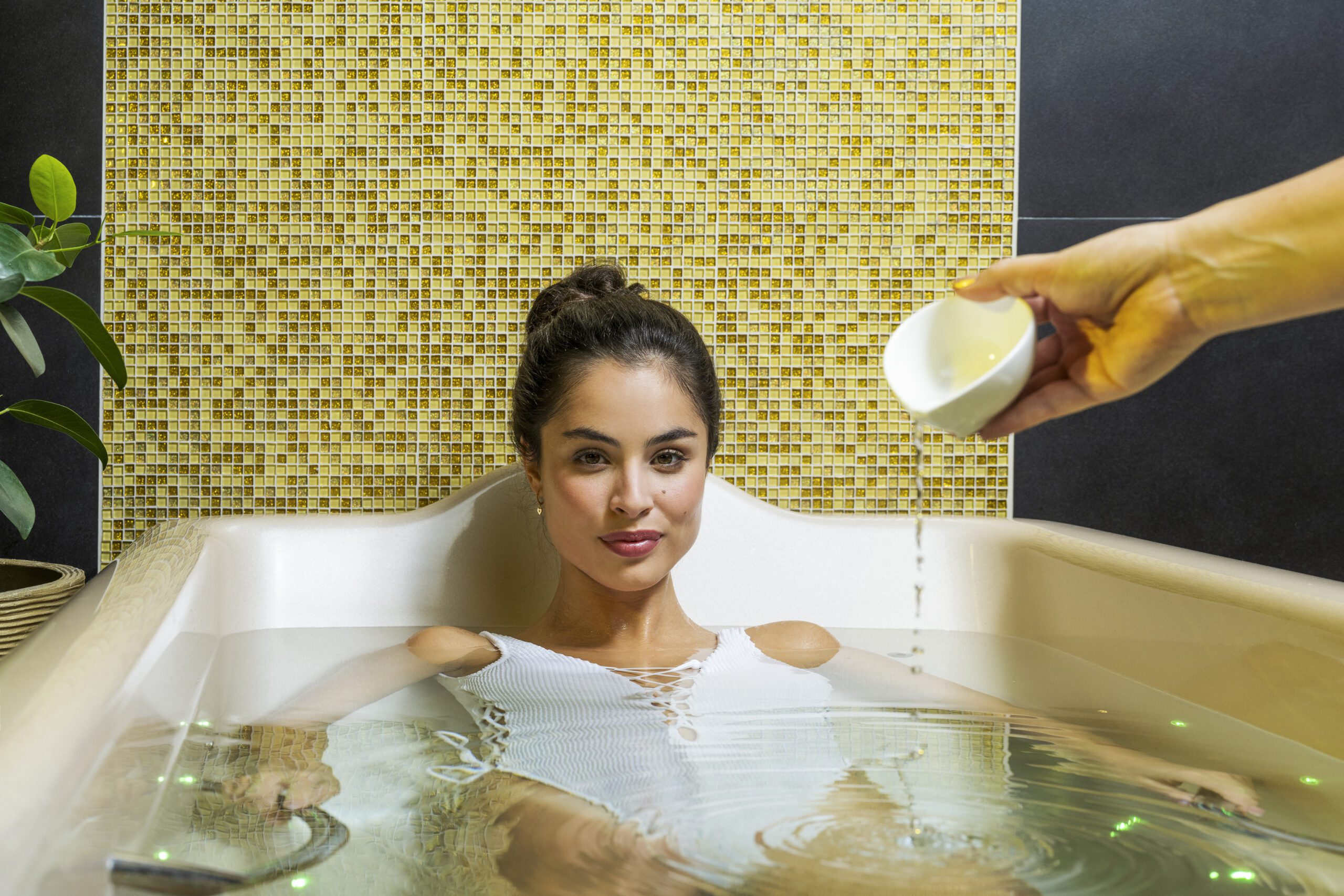

Piešťany:
A Spa Town Shaped Around Rheumatic Disease
Few places in Europe have as long a track record with rheumatic conditions as Piešťany. The town's mineral-rich mud and thermal water have anchored a rheumatology-focused spa tradition since the 19th century, and its clinics have treated joint disease patients for generations. A stay at the Piešťany spa typically pairs thermal baths and mud application with physiotherapy, giving arthritis patients a structured, physician-guided path rather than a loosely assembled set of treatments.

Heat or Cold for Arthritis? How to Choose
This is one of the most common points of confusion for anyone new to managing arthritis pain, and the honest answer is that both have a place, just at different moments. As a rough rule, heat suits stiffness and chronic aching, the kind of discomfort that’s present most days and tends to ease with movement. Cold suits active flares, where a joint is visibly swollen, warm to the touch, or newly inflamed. Applying heat to an already-inflamed joint can occasionally make swelling worse, while applying cold to a joint that’s simply stiff from inactivity does little beyond a temporary numbing effect.
A simple way to remember it: reach for cold when a joint looks angry, and reach for heat when a joint just feels tight. People managing rheumatoid arthritis long-term often end up using both, cold during flare-ups and heat during the quieter stretches in between.
Who Should Be Cautious With Heat Therapy
Heat isn’t universally appropriate, and it helps to know where the remaining exceptions sit beyond the flare-versus-stiffness rule above. People with impaired circulation, diabetic neuropathy, open wounds near the treatment area, or certain cardiovascular conditions should get a physician’s input before starting a thermal program, since reduced sensation can make it harder to notice if heat is too intense.
None of this rules out thermotherapy for the average person managing rheumatoid arthritis. It simply means the therapy works best when someone qualified is deciding on intensity, duration and timing, rather than guessing based on how a joint feels on a given morning.
Building Heat Therapy Into a Complete Recovery Plan
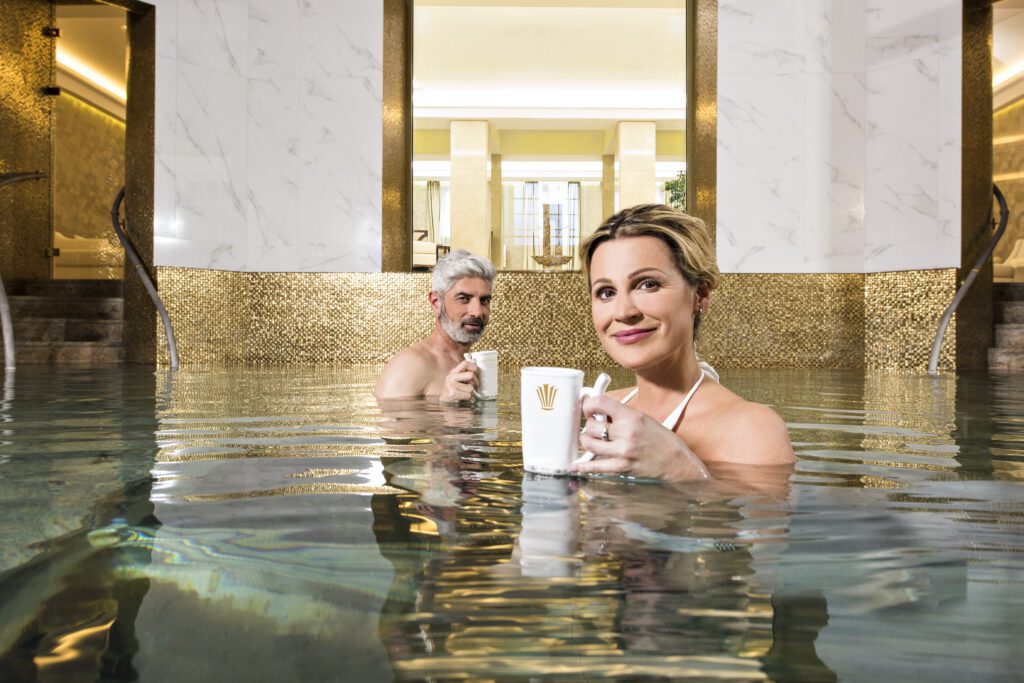
Thermotherapy works best as one piece of a larger routine rather than a standalone fix. A well-structured plan typically layers in:
- Medical evaluation to confirm heat therapy suits the current stage of disease activity
- Scheduled thermal sessions, whether at home or through a supervised program
- Movement and physiotherapy paired with each heat session
- Nutrition and rest built around the treatment schedule rather than squeezed in around it
- Ongoing monitoring so treatment adjusts as symptoms change
The sequencing matters as much as the individual pieces. A single hot bath does little on its own, but a two-week program that alternates thermal sessions with light physiotherapy, rest and monitored progress tends to produce results that last well beyond the stay itself. This is the model most Slovak rehabilitation programs follow, and it’s part of why patients travel from outside Europe specifically to access it.
People exploring options beyond their home country often start by comparing broader European health spa programs before narrowing down to a specific region or town suited to their condition and budget. For many, the deciding factor ends up being less about scenery and more about whether a program includes physician oversight, a documented treatment protocol and enough duration to produce a measurable change rather than a few days of temporary comfort.

What Sets a Medical-Grade Program Apart
Not every warm bath qualifies as therapeutic thermotherapy, and the distinction matters if the goal is measurable improvement rather than a pleasant afternoon. A medical-grade program typically involves a physician’s intake assessment, a written treatment plan tailored to the specific joints and disease stage involved, and staff trained to recognize when a session should be shortened, intensified or paused altogether. Temperature, duration and frequency are all calibrated rather than left to guesswork, and progress gets reviewed at intervals rather than assumed.
This is the layer that separates a resort spa from a rehabilitation-focused one, and it’s worth asking about directly before booking anything. A program that can describe its protocol in specific terms, rather than general wellness language, is usually the one built around actual clinical outcomes.
Need Help Choosing the Right Spa?
Every spa specializes in different treatments and health conditions. Tell us about your goals, and we'll recommend the destination and spa program that's the best fit for you.
Your questions answered
Common questions
Is heat or cold better for arthritis pain?
Heat generally works better for everyday stiffness, while cold is better suited to an active flare with visible swelling. Many people rotate between both depending on the day.
Is heat therapy safe for everyone with rheumatoid arthritis?
Generally yes, though anyone with active inflammation, open skin issues, or circulatory problems should check with a doctor before starting.
How often should thermotherapy sessions happen?
Frequency depends on symptom severity and the specific program, but many rehabilitation plans schedule daily or near-daily sessions over one to two weeks.
Can heat therapy replace medication?
No. It complements pharmacological treatment rather than substituting for it, and any changes to medication should go through a physician.
Is a supervised spa program for arthritis worth it compared to home treatment?
For anyone managing a chronic condition, professional oversight adds a level of customization and safety that home equipment can’t match.
This is not medical advice. Slow It Travel’s role is limited to that of a travel guide, facilitator, and booking agency. Any health condition and the appropriate course of treatment are evaluated and determined by qualified medical personnel at the spa directly.