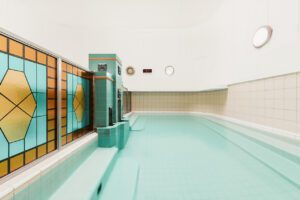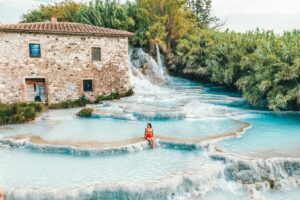
When you think of a corporate retreat, you probably don’t imagine warm pools, guided meditation, or massage therapy. But maybe you should. Because the point of these retreats isn’t just to meet — it’s to think better, work better, and come back recharged.
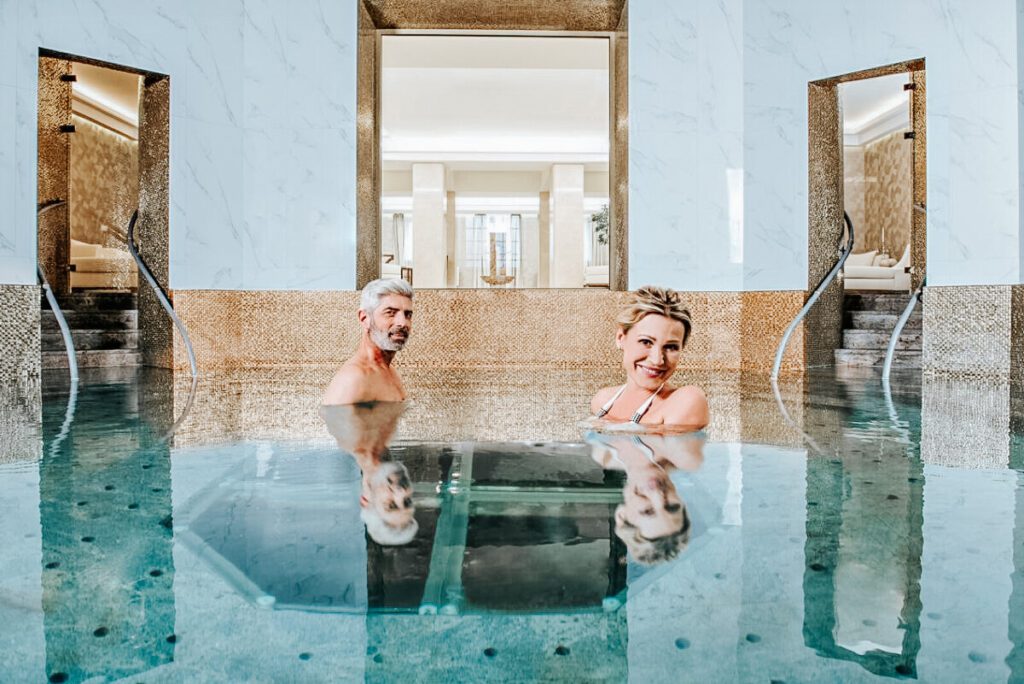
A growing number of businesses are using spa breaks as the backbone of their retreat structure. Strategy sessions in the morning, mineral baths in the afternoon. Team discussions followed by individual massages. Not just because it’s nice — but because it works.
Relaxation isn’t a perk; it’s a performance tool. Research shows that people think more clearly and collaborate more openly when they feel safe, rested, and heard. And it’s a lot easier to build trust, solve problems, and plan for the future when no one’s running on empty.
Not Just a Break — A Shift in Culture
This isn’t about pampering. It’s about creating a culture where recovery is part of the rhythm. Companies are learning that stress doesn’t just live in someone’s head — it lives in their body, their focus, their tone of voice. A corporate retreat that includes real spa breaks gives people the chance to shift gears physically and mentally. They leave behind the autopilot mode. And when they do, they come back with more capacity for real work.
We’ve seen teams come out of a few days of structured wellness not only more relaxed, but more aligned. The friction drops. The energy resets. People listen better. And those things have a long tail — they affect projects, meetings, deadlines, everything.
What Actually Happens During These Retreats?
Think of it as a layered experience. A good corporate retreat that includes spa breaks won’t just toss in a facial between meetings. It’s curated. It blends work and rest in a way that makes both more effective.
Here’s a typical flow:
- Morning group strategy or vision session
- Midday hydrotherapy, massage, or yoga
- Afternoon breakouts or collaborative workshops
- Evenings for reflection, shared meals, and silence
By building spa breaks into the day, companies make space for more than just ideas — they make space for processing. People step back from the whiteboard and let insights settle in. They reconnect with themselves, then with the team. That’s what makes the retreat stick.
Measurable Results, Long-Term Impact
We’ve all been to retreats where people come back with a binder they never open again. But when a corporate retreat is designed around real recovery — including spa breaks that reset the nervous system — something shifts. The ROI looks different:
- Teams return with actual focus, not just notes
- Communication improves
- Absenteeism drops
- Retention strengthens
- Creative output rises
It’s not abstract. These are business results — and they start with people feeling human again.
Beyond the Office: What Teams Actually Remember
Ask anyone who’s been on a corporate retreat that included spa breaks, and they won’t talk about the slide deck. They’ll talk about the conversation they had after their massage. The idea that came during the sauna. The way they finally slept well for the first time in months.
That’s what you want people bringing back to the office — not just new tasks, but new energy.
How to Plan a Corporate Retreat That Actually Works

If you’re thinking about designing a corporate retreat around spa breaks, here’s what to focus on:
- Choose the right location. Go somewhere quiet, with real wellness infrastructure — not a hotel that “also has a sauna.”
- Blend the days. Don’t isolate meetings and spa time. Interlace them. Let each inform the other.
- Work with people who understand both sides. You need someone who gets corporate structure and spa rhythm.
- Plan for real rest. Not just activities. Actual downtime, where people can be alone or quiet.
Done right, a retreat isn’t just a break — it’s a turning point.
Corporate retreats are evolving. And spa breaks aren’t a luxury—they’re a tool. For thinking. For healing. For creating cultures where performance isn’t squeezed out of people but grown from a place of calm and clarity.
If you want sharper strategy, stronger teams, and a culture people want to stay in — take them somewhere they can breathe. Then watch what happens when they come back.